
The non surgical nose job is rapidly gaining popularity as a minimally invasive alternative to traditional rhinoplasty, promising refined nasal contours without the downtime and risks associated with surgery. This guide delves into the world of dermal fillers and their application in reshaping the nose, exploring the techniques, considerations, and outcomes that define this evolving aesthetic procedure. We’ll navigate the intricacies of candidacy, procedure specifics, and aftercare, offering a comprehensive overview for those considering this transformative option.
From understanding the science behind filler injections to managing expectations and potential complications, this exploration aims to equip readers with the knowledge needed to make informed decisions. We’ll examine the benefits, limitations, and financial aspects, providing a balanced perspective on this increasingly sought-after procedure. The journey will encompass pre-procedure consultations, technique nuances, and post-procedure care, all in the context of achieving aesthetic enhancements without the need for surgical intervention.
Understanding the fundamentals of a non-surgical nose reshaping procedure is paramount for informed decision-making
Non-surgical rhinoplasty, often referred to as a “liquid nose job,” offers a minimally invasive alternative to traditional surgical rhinoplasty. This procedure involves the strategic injection of dermal fillers to subtly reshape the nose, addressing concerns such as asymmetry, dorsal humps, and tip definition. Understanding the underlying principles, anatomical considerations, and comparative advantages of this approach is crucial for patients considering this cosmetic enhancement. This knowledge empowers individuals to make well-informed decisions aligned with their aesthetic goals and expectations.
Basic Principles of Dermal Fillers in Non-Surgical Rhinoplasty
The core of non-surgical nose reshaping lies in the use of dermal fillers, typically hyaluronic acid (HA)-based substances, to add volume and contour. These fillers are injected into specific areas of the nose to achieve the desired aesthetic changes. The procedure is relatively quick, typically taking under an hour, and involves minimal downtime compared to surgery. The effects are temporary, lasting from several months to a year or more, depending on the filler used and the individual’s metabolism. The procedure is also reversible, as hyaluronidase can be injected to dissolve HA fillers if needed.
The choice of filler material and its properties significantly impact the outcome. Hyaluronic acid (HA) fillers are the most commonly used due to their safety profile and reversibility. HA is a naturally occurring substance in the body, known for its ability to attract and retain water, contributing to volume and hydration. Different HA fillers have varying particle sizes and cross-linking, influencing their firmness, longevity, and how they interact with the surrounding tissues. For example, firmer fillers are often preferred for areas like the nasal bridge, where more structural support is needed. Calcium hydroxylapatite (CaHA) is another filler option, providing a more robust structure due to its calcium-based composition. CaHA stimulates collagen production, potentially extending the longevity of the results. However, it’s not reversible. The injection technique is critical. Practitioners utilize fine needles or cannulas to precisely place the filler, often using a combination of techniques to achieve optimal results. This includes injecting the filler along the nasal bridge to create a straighter appearance, adding volume to the tip for definition, or correcting minor asymmetries. Careful assessment of the patient’s anatomy and desired outcome guides the injection strategy.
Anatomical Considerations in Non-Surgical Rhinoplasty
Non-surgical rhinoplasty offers targeted improvements but is limited by the anatomical constraints of the nose. Understanding these limitations is essential for realistic expectations. The procedure primarily addresses the soft tissues and superficial structures.
Areas that can be effectively altered include:
- The Nasal Bridge (Dorsum): Fillers can be used to smooth out dorsal humps (bumps), create a straighter profile, or augment a flat bridge. This involves injecting the filler along the bridge to build up volume and create a more defined line. For instance, a patient with a mild dorsal hump might have the area above and below the hump filled to create a more seamless appearance.
- The Nasal Tip: The tip can be subtly reshaped to improve projection, definition, and symmetry. This might involve injecting filler into the columella (the tissue between the nostrils) to lift the tip or adding volume to the tip cartilages to create a more refined shape. A patient with a slightly droopy tip might benefit from filler injected to provide lift and definition.
- Nasal Asymmetry: Minor asymmetries can be corrected by strategically placing filler to balance the appearance of the nose. This might involve filling a depressed area or adding volume to one side to create a more symmetrical look. For example, a slight deviation of the nasal bridge can be corrected by injecting filler on the less prominent side.
Areas generally *not* suitable or significantly limited by non-surgical rhinoplasty include:
- Significant Bone or Cartilage Alterations: Non-surgical rhinoplasty cannot alter the underlying bone structure or significantly reshape the cartilage. This means that a large hump, severe deviations, or a very wide nasal base cannot be addressed effectively. For instance, a patient with a significantly deviated septum causing external nasal asymmetry would not be a good candidate.
- Nasal Valve Issues: Problems with the nasal valve, which affects breathing, cannot be corrected. These issues often require surgical intervention to improve airflow.
- Nasal Width Reduction: The procedure cannot narrow the overall width of the nose. This is a common goal in surgical rhinoplasty, but beyond the scope of fillers.
- Significant Nasal Tip Reduction: While the tip can be reshaped and defined, it’s not possible to significantly reduce its size.
- Severe Breathing Problems: Non-surgical rhinoplasty is not a treatment for breathing difficulties. Any functional issues must be addressed surgically.
The success of non-surgical rhinoplasty relies heavily on a thorough understanding of nasal anatomy and realistic expectations. The best candidates have minor imperfections they wish to address, while those with significant structural issues are better suited for surgical rhinoplasty.
Comparison: Non-Surgical vs. Traditional Rhinoplasty
Choosing between non-surgical and traditional rhinoplasty requires careful consideration of the goals, expectations, and the extent of the desired changes. Here’s a comparative overview:
- Non-Surgical Rhinoplasty:
- Advantages:
- Minimally invasive, no incisions.
- Quick procedure with minimal downtime (usually a few days of mild swelling and bruising).
- Results are visible immediately.
- Reversible with hyaluronidase (for HA fillers).
- Lower cost compared to surgery.
- Disadvantages:
- Temporary results (typically 6-18 months).
- Cannot address significant structural issues (e.g., severe bone deviations).
- Limited in scope; cannot significantly change the overall size or shape of the nose.
- Potential for filler migration or vascular occlusion (rare but serious).
- Traditional Rhinoplasty:
- Advantages:
- Permanent results.
- Can address a wide range of issues, including bone and cartilage alterations.
- Can significantly change the size, shape, and overall appearance of the nose.
- Can correct breathing problems.
- Disadvantages:
- Invasive procedure with incisions.
- Longer recovery time (several weeks).
- Higher cost.
- Permanent results (difficult to reverse).
- Risk of surgical complications (infection, bleeding, scarring).
Choosing the right procedure depends on individual needs and aesthetic goals. If the desired changes are minor and temporary, non-surgical rhinoplasty can be a good option. However, for significant structural alterations or permanent results, traditional rhinoplasty is the preferred choice.
Evaluating the suitability of a candidate for a non-surgical nose reshaping is essential for safety and optimal outcomes
Determining whether a patient is a suitable candidate for a non-surgical nose reshaping procedure requires a comprehensive evaluation. This assessment ensures the safety and efficacy of the treatment, managing patient expectations and minimizing potential complications. The process involves scrutinizing various factors, from the patient’s physical characteristics to their psychological readiness for the procedure.
Candidate Selection Criteria
Several key criteria are considered when evaluating a patient’s suitability for a non-surgical nose reshaping. These factors, when assessed together, help determine the likelihood of a successful and satisfying outcome.
- Skin Type and Condition: The patient’s skin type plays a significant role in the outcome. Thicker skin tends to provide a more forgiving canvas, potentially masking minor irregularities. Conversely, thinner skin can reveal subtle imperfections more readily, impacting the final result. The presence of significant skin conditions, such as severe acne or rosacea, must be carefully evaluated, as these conditions might affect the injection site and healing process. For example, patients with active acne near the injection points may experience inflammation and delayed healing.
- Nose Shape and Anatomy: The existing shape of the nose is a primary consideration. Non-surgical nose reshaping is most effective for addressing minor dorsal humps, nasal tip asymmetry, and subtle depressions. Patients with significant structural issues, such as a severely deviated septum or a very wide nasal bridge, may be better suited for surgical rhinoplasty. Consider a case study: A patient with a slight dorsal hump was successfully treated with hyaluronic acid fillers, resulting in a straighter nasal profile. In contrast, a patient with a severely deviated septum required surgical intervention to improve both aesthetics and function.
- Expectations and Goals: Realistic expectations are crucial. Non-surgical nose reshaping can provide noticeable improvements, but it cannot replicate the dramatic changes achievable with surgery. The patient must understand the limitations of the procedure and have a clear, achievable goal. For example, a patient seeking to significantly reduce the size of their nose may be disappointed with the results of a non-surgical approach. The practitioner must carefully discuss the potential outcomes and manage expectations accordingly.
- Medical History: A thorough medical history is essential to identify any potential contraindications or risks. This includes any allergies, previous cosmetic procedures, and any underlying medical conditions. Patients with a history of bleeding disorders or those taking blood-thinning medications may be at increased risk of bruising. It is essential to understand the complete medical background to avoid adverse effects.
- Psychological Readiness: A patient’s psychological state is also important. The practitioner must assess the patient’s motivation for the procedure and ensure they have a stable mental health. Patients with unrealistic expectations or those seeking the procedure for purely social reasons may be less satisfied with the results.
Pre-Procedure Consultation
The pre-procedure consultation is a critical step in the non-surgical nose reshaping process. It is a time for the practitioner to gather information, assess the patient’s suitability, and provide detailed information about the procedure. This consultation also helps manage the patient’s expectations and ensures informed consent.
- Medical History Review: The consultation begins with a detailed review of the patient’s medical history, including any previous surgeries, allergies, and medications. The practitioner inquires about any history of bleeding disorders, autoimmune diseases, or other relevant medical conditions.
- Physical Examination: A thorough physical examination of the nose is conducted. This involves assessing the nose’s shape, symmetry, and skin condition. The practitioner may use photographs to document the pre-treatment appearance and to plan the injection strategy. The examination helps determine the areas that need to be addressed and the amount of filler required.
- Discussion of Goals and Expectations: The practitioner discusses the patient’s goals and expectations for the procedure. This is an opportunity to clarify what can be achieved with non-surgical nose reshaping and to manage unrealistic expectations. The practitioner explains the limitations of the procedure and what results are likely to be. They may show before-and-after photos of previous patients to illustrate the potential outcomes.
- Procedure Explanation: The practitioner explains the procedure in detail, including the type of filler used, the injection technique, and the potential risks and side effects. They discuss the duration of the procedure, the expected recovery time, and the aftercare instructions. Patients are informed about the possibility of bruising, swelling, and minor discomfort.
- Informed Consent: The patient is provided with an informed consent form, which Artikels the procedure, risks, benefits, and alternatives. The patient has the opportunity to ask questions and express any concerns. The consent form must be signed before the procedure can proceed.
- Photographic Documentation: Before and after photos are a critical part of the consultation process, providing a visual record of the patient’s starting point and the potential results. These photos help in planning the procedure and in assessing the outcome. They also serve as a valuable tool for patient education and expectation management.
Contraindications
Certain factors preclude a patient from undergoing non-surgical nose reshaping. These contraindications are essential to ensure patient safety and prevent adverse outcomes.
| Contraindication | Description | Impact |
|---|---|---|
| Previous Nasal Surgeries | Patients who have undergone previous nasal surgeries, especially those involving significant structural changes, may not be suitable candidates. Scar tissue and altered anatomy can complicate the injection process and compromise the results. | Increased risk of complications, including filler migration, asymmetry, and unpredictable results. |
| Certain Medical Conditions | Patients with certain medical conditions, such as active skin infections, autoimmune diseases, or bleeding disorders, may be at higher risk of complications. | Increased risk of infection, inflammation, bleeding, and adverse reactions to the filler. |
| Unrealistic Expectations | Patients who have unrealistic expectations about the results of the procedure may be dissatisfied, regardless of the outcome. | Dissatisfaction with the results, leading to psychological distress and potential legal issues. |
| Allergies | Known allergies to the filler materials, such as hyaluronic acid, or any of the components of the filler product. | Risk of allergic reactions, including swelling, redness, itching, and in severe cases, anaphylaxis. |
| Vascular Compromise | Patients with a history of vascular compromise in the nose area or previous filler complications are not ideal candidates. | Risk of tissue necrosis, blindness, and other serious vascular complications. |
Exploring the specific techniques and methods employed in non-surgical nose reshaping procedures can improve understanding

Non-surgical nose reshaping, often referred to as liquid rhinoplasty, offers a minimally invasive alternative to traditional surgical rhinoplasty. Understanding the specific techniques and methods employed is crucial for patients considering this procedure. This knowledge empowers individuals to make informed decisions and manage realistic expectations regarding the outcome. It’s a field that blends art and science, demanding a thorough understanding of facial anatomy and the properties of the materials used.
Step-by-Step Process of a Non-Surgical Nose Reshaping Procedure
The non-surgical nose reshaping procedure involves a series of carefully executed steps designed to enhance the nasal appearance. The entire process, from initial consultation to the final injection, is typically completed within an hour, making it a convenient option for many patients.
The process begins with a comprehensive consultation. The practitioner assesses the patient’s nasal anatomy, discusses their aesthetic goals, and reviews their medical history to ensure they are a suitable candidate. This includes evaluating the skin quality, thickness, and any existing asymmetries. The practitioner also takes photographs of the nose from multiple angles to document the pre-procedure state and to serve as a reference for the reshaping process.
Next, the targeted areas of the nose are marked with a surgical pen. These markings guide the precise placement of the dermal filler. The markings delineate the areas where volume needs to be added to achieve the desired contour and symmetry. For example, a mark might be placed on the dorsal hump, the bridge of the nose, or the nasal tip.
Before the injection, the treatment area is thoroughly cleaned with an antiseptic solution to minimize the risk of infection. The skin is then prepped, and a topical anesthetic, or sometimes a local anesthetic, is applied to the nose to minimize discomfort during the procedure. The anesthetic is left to take effect for approximately 15-20 minutes.
The actual injection process involves the careful and strategic placement of dermal fillers. The practitioner uses a fine needle or a cannula to inject the filler into specific areas of the nose. The injection technique is crucial and varies depending on the targeted area and the desired outcome. For instance, to smooth out a dorsal hump, the filler is often injected above and below the bump to create a straighter profile. The practitioner will continuously assess the results and make small adjustments during the injection process to ensure optimal results. The filler is often injected in small increments to minimize the risk of overcorrection.
Following the injection, the practitioner gently massages the treated area to ensure the filler is evenly distributed and to shape the nose to the desired contour. The patient is provided with post-procedure instructions, which typically include avoiding strenuous activities, wearing glasses (if applicable), and refraining from touching or applying pressure to the treated area for a specific period. The patient will also be scheduled for a follow-up appointment to assess the results and address any concerns. The results are typically visible immediately, with the final outcome becoming apparent within a few days as any swelling subsides.
Managing expectations and understanding potential outcomes is a crucial part of the process
Setting realistic expectations is paramount before undergoing a non-surgical nose reshaping. Understanding what can and cannot be achieved, along with the potential limitations, ensures patient satisfaction and minimizes the risk of disappointment. A thorough consultation with a qualified and experienced practitioner is essential to discuss individual goals and determine if a non-surgical approach is the most suitable option. The following sections will detail the achievable results, longevity of the procedure, and potential side effects, offering a comprehensive overview of what patients can expect.
Realistic Results of Non-Surgical Nose Reshaping
Non-surgical nose reshaping, primarily utilizing dermal fillers, offers a range of aesthetic improvements, though it’s crucial to understand its limitations compared to surgical rhinoplasty. The primary goal is to enhance the nose’s appearance through strategic filler placement, achieving a more balanced and refined profile.
Improvements in symmetry are often the most noticeable outcome. Fillers can be used to address minor asymmetries, such as a slight deviation in the nasal bridge or uneven nostrils. For instance, a patient with a subtle bump on the bridge can have the area above and below the bump filled to create a straighter, smoother line. Similarly, asymmetry in the tip can be corrected by adding filler to one side to achieve a more balanced appearance. The degree of improvement depends on the severity of the asymmetry and the individual’s anatomy. In many cases, patients experience a significant enhancement in their overall facial harmony.
Contour refinement is another key benefit. Fillers can be strategically placed to create a more defined nasal bridge, lift the tip, or refine the overall shape. A flat nasal bridge can be augmented to create a more prominent and aesthetically pleasing profile. A drooping nasal tip can be lifted slightly, improving the angle between the nose and the upper lip. The width of the nose can also be addressed by adding filler to the sides, creating a narrower appearance. These contouring adjustments contribute to a more balanced and proportionate facial appearance. For example, a study published in the *Journal of Cosmetic Dermatology* demonstrated a significant improvement in patient satisfaction with contouring results achieved through non-surgical rhinoplasty, with 85% of participants reporting a positive change in their perceived facial aesthetics.
Overall appearance enhancement is a primary objective. The cumulative effect of improved symmetry and contour refinement results in a more aesthetically pleasing nose and a more balanced facial profile. The subtle adjustments can dramatically improve a patient’s self-perception and confidence. Patients often report feeling more confident and satisfied with their overall appearance following the procedure. However, it’s vital to emphasize that non-surgical nose reshaping is not a replacement for surgical rhinoplasty. Significant structural changes, such as reducing the size of the nose or correcting severe deformities, are beyond the scope of this procedure.
Longevity of Results and Maintenance Treatments
The duration of results from non-surgical nose reshaping varies depending on several factors, including the type of filler used, the individual’s metabolism, and the area treated. Understanding these influences is crucial for managing expectations and planning maintenance treatments.
The type of filler significantly impacts longevity. Hyaluronic acid (HA) fillers are the most commonly used due to their safety profile and reversibility. Different HA fillers have varying densities and cross-linking, which affects how long they last. Generally, HA fillers used in the nose can last from six months to two years. For instance, a denser, more cross-linked HA filler might last longer than a less dense one. The longevity also depends on the specific product and its formulation.
Individual metabolism plays a crucial role. Individuals with faster metabolisms tend to break down fillers more quickly. Factors such as age, lifestyle, and overall health can influence metabolic rate. For example, a younger person with a faster metabolism might experience a shorter duration of results compared to an older individual. Regular exercise and a healthy lifestyle can also affect the filler’s breakdown rate.
The area treated can also influence how long the results last. Areas with more movement, such as the tip of the nose, might experience faster filler degradation compared to the bridge. The amount of filler injected also affects the longevity; a larger volume may last longer than a smaller volume.
Maintenance treatments are necessary to sustain the desired results. As the filler gradually breaks down, the effects diminish. Patients typically require touch-up treatments every six months to two years, depending on the factors mentioned above. The frequency of maintenance treatments should be discussed with the practitioner during the initial consultation and subsequent follow-up appointments.
Here is an example to illustrate:
* Case Study: A 35-year-old patient received HA filler for a dorsal hump correction. The initial results were excellent, with a smooth, straight bridge. After 12 months, the patient noticed a slight return of the bump. A touch-up treatment was performed, restoring the initial appearance. This case exemplifies the need for maintenance to preserve the aesthetic outcome.
Potential Side Effects and Complications
While non-surgical nose reshaping is generally safe when performed by a qualified practitioner, potential side effects and complications exist. Understanding these risks and how to minimize them is crucial for patient safety.
* Bruising and Swelling: These are common and typically resolve within a few days to a week. Applying ice packs and avoiding blood-thinning medications before the procedure can minimize bruising.
* Redness and Tenderness: These are also common and usually subside quickly.
* Infection: Although rare, infection is a potential risk. Following post-treatment care instructions, such as keeping the injection site clean, can reduce this risk.
* Filler Migration: In rare cases, the filler can migrate from the injection site. This risk is minimized by using appropriate injection techniques and choosing a skilled practitioner.
* Vascular Occlusion: This is a serious complication where filler blocks a blood vessel, potentially leading to tissue necrosis. The risk is extremely low when the procedure is performed by an experienced practitioner who understands the nasal anatomy and uses proper injection techniques, including aspiration before injection.
* Blindness: This is a very rare but devastating complication that can occur if filler is injected into an artery that supplies blood to the eye. It is imperative to choose a practitioner with extensive knowledge of facial anatomy and experience in non-surgical rhinoplasty to mitigate this risk.
To minimize the risks, patients should always:
* Choose a qualified and experienced practitioner, such as a board-certified dermatologist or plastic surgeon, with a proven track record in non-surgical nose reshaping.
* Discuss their medical history and any medications they are taking with the practitioner.
* Follow all pre- and post-treatment instructions carefully.
* Report any unusual symptoms, such as severe pain, vision changes, or skin discoloration, immediately.
Aftercare and recovery protocols are essential for ensuring proper healing and optimal results
Following a non-surgical nose reshaping procedure, meticulous aftercare is crucial for optimal healing and to achieve the desired aesthetic outcome. Patients must adhere to specific guidelines to minimize complications, promote rapid recovery, and maximize the longevity of the results. This section details the essential post-procedure care protocols, addressing activity restrictions, skincare recommendations, and the expected recovery timeline.
Post-Procedure Care and Patient Instructions
After undergoing a non-surgical nose job, patients receive detailed instructions from their healthcare provider to facilitate a smooth and successful recovery. These instructions are tailored to the individual and the specific techniques employed during the procedure, but some general guidelines apply to most cases.
Activity restrictions are paramount in the initial days following the procedure. Patients are generally advised to avoid strenuous activities, heavy lifting, and any activities that could potentially bump or put pressure on the nose. This helps to prevent displacement of the filler and minimizes the risk of swelling and bruising. Typically, patients should refrain from intense exercise for at least a week, gradually reintroducing physical activity as tolerated. For example, a runner might need to take a week off from their usual routine, opting for gentle walks instead. This cautious approach allows the injected filler to settle properly and integrate with the surrounding tissues.
Skincare recommendations are also critical. Patients should gently cleanse the treated area with a mild, fragrance-free cleanser, avoiding harsh scrubbing or excessive pressure. The use of certain skincare products, such as those containing retinol or AHAs/BHAs, should be temporarily discontinued, as these can irritate the skin and potentially interfere with the healing process. Patients are usually advised to apply a gentle moisturizer to keep the skin hydrated and protect it from environmental factors. Sun protection is particularly important; patients should use a broad-spectrum sunscreen with a high SPF (at least 30) to shield the treated area from sun exposure, which can exacerbate inflammation and pigmentation changes.
What to expect during the recovery period varies depending on the individual and the extent of the procedure. Mild discomfort, tenderness, and swelling are common in the days following the treatment. Patients may experience some minor bruising, which typically resolves within a week or two. The injected filler will initially feel firm, but it will gradually soften and integrate with the surrounding tissues. It’s essential for patients to follow all instructions provided by their healthcare provider and to contact them immediately if they experience any unusual symptoms or concerns. For instance, if a patient notices excessive swelling or signs of infection, they should seek medical attention promptly. In most cases, patients can return to their normal activities within a few days, but they should avoid any activities that could potentially impact the nose for a longer duration, such as contact sports.
Managing Swelling, Bruising, and Temporary Side Effects
Non-surgical nose reshaping, while minimally invasive, can result in temporary side effects such as swelling and bruising. Understanding how to effectively manage these symptoms can significantly enhance patient comfort and contribute to a more positive recovery experience.
Swelling is a common response to the injection of fillers. The degree of swelling varies depending on the individual’s sensitivity, the amount of filler injected, and the specific techniques used. To minimize swelling, patients are generally advised to apply cold compresses to the treated area for short intervals (e.g., 15-20 minutes) several times a day during the first few days after the procedure. Elevating the head while sleeping can also help reduce swelling. Avoiding excessive salt intake and staying hydrated can further support the reduction of swelling. The swelling typically peaks within the first 24-48 hours and gradually subsides over the next few days to a week. For example, a patient who diligently applies cold compresses and sleeps with their head elevated might experience less pronounced and shorter-lived swelling compared to someone who does not follow these recommendations.
Bruising is another potential side effect, resulting from minor trauma to the blood vessels during the injection process. The extent of bruising varies, ranging from mild discoloration to more noticeable bruising. To minimize bruising, patients may be advised to avoid blood-thinning medications or supplements (such as aspirin, ibuprofen, and vitamin E) for a week or two before the procedure, as these can increase the risk of bleeding. Arnica Montana, a homeopathic remedy, is sometimes recommended to help reduce bruising, although scientific evidence supporting its efficacy is limited. Applying cold compresses can also help to constrict blood vessels and reduce bruising. Bruising typically resolves within one to two weeks, and in most cases, it can be easily concealed with makeup.
Other temporary side effects may include tenderness, redness, and slight asymmetry. Tenderness usually subsides within a few days. Redness is a common inflammatory response and usually resolves quickly. Slight asymmetry is possible immediately after the procedure, but the filler will typically settle and the asymmetry will often improve over the next few days. Patients should be patient and avoid touching or manipulating the treated area, as this can interfere with the healing process and potentially affect the results. If any unusual symptoms persist or worsen, patients should contact their healthcare provider promptly.
Follow-up Appointments and Results Assessment Timeline
Following a non-surgical nose reshaping procedure, a series of follow-up appointments are scheduled to monitor the healing process, assess the results, and address any concerns the patient may have. These appointments are crucial for ensuring patient satisfaction and long-term success.
- Initial Follow-up (1-2 weeks): This appointment typically involves a review of the patient’s recovery, assessment of any swelling or bruising, and an initial evaluation of the aesthetic outcome. The healthcare provider will examine the treated area, answer any questions the patient may have, and provide further guidance on aftercare.
- Mid-term Follow-up (4-6 weeks): At this stage, the filler has usually settled, and the final results are becoming more apparent. The healthcare provider will assess the overall outcome, and may make minor adjustments or additional injections, if needed, to optimize the results.
- Long-term Follow-up (3-6 months): This appointment allows the healthcare provider to evaluate the longevity of the results and assess the patient’s satisfaction. The healthcare provider will also discuss the potential need for touch-up treatments to maintain the desired aesthetic outcome.
The timeline for assessing the results of the procedure is as follows:
- Immediate Post-Procedure: Some initial changes are visible immediately after the procedure, but the final results are not apparent due to swelling.
- First Few Days: Swelling and bruising may peak during this period.
- 1-2 Weeks: Swelling and bruising begin to subside, and the initial results become more visible.
- 4-6 Weeks: The filler has usually settled, and the final results are becoming more apparent.
- 3-6 Months: The long-term results are assessed, and the need for touch-up treatments is discussed.
Addressing the cost and financial aspects associated with a non-surgical nose reshaping can inform decisions

Understanding the financial implications of a non-surgical nose reshaping is a crucial aspect of the decision-making process. The cost, a significant factor for many, is influenced by several variables. Being informed about these elements allows potential patients to budget effectively, compare options, and make choices that align with their financial circumstances. This section will delve into the factors determining the price of a non-surgical nose job, compare it with traditional rhinoplasty, and explore payment and financing alternatives.
Factors Influencing the Cost of a Non-Surgical Nose Job
Several elements contribute to the final cost of a non-surgical nose reshaping procedure. These factors, ranging from the materials used to the expertise of the practitioner, can significantly impact the overall price.
The primary driver of cost is the type and amount of dermal filler used. Different fillers, such as those based on hyaluronic acid (HA), have varying prices. The volume of filler required to achieve the desired aesthetic outcome directly correlates with the expense. For instance, correcting a more significant dorsal hump might necessitate a larger volume of filler compared to addressing a minor asymmetry.
The practitioner’s experience and qualifications are also significant cost determinants. A board-certified dermatologist or plastic surgeon with extensive experience in non-surgical rhinoplasty typically charges a higher fee than a less experienced practitioner. Their expertise often translates to a more refined and natural-looking result, although it comes at a premium.
The geographic location of the clinic plays a role. Clinics located in major metropolitan areas or affluent neighborhoods generally have higher operating costs, which are often reflected in the prices of their services. Conversely, clinics in less populated areas might offer more competitive pricing.
Additional costs can include consultation fees, pre-procedure assessments, and any follow-up appointments required. Some clinics may also include the cost of topical anesthetics or other supportive treatments in their pricing.
Furthermore, the complexity of the desired outcome can influence the cost. Procedures targeting multiple areas of the nose or involving more intricate corrections might require more filler and time, thereby increasing the overall expense.
Finally, the clinic’s reputation and the quality of its facilities can also affect the price. Clinics known for their high standards of care and modern equipment may charge more than those with less advanced resources.
Comparing Costs: Non-Surgical Nose Job vs. Traditional Rhinoplasty
A key consideration for individuals seeking nose reshaping is the comparative cost of non-surgical and surgical options. While both aim to improve the nose’s appearance, their financial implications differ significantly.
Non-surgical nose reshaping generally presents a more budget-friendly option. The use of dermal fillers, rather than surgical incisions and anesthesia, drastically reduces the associated costs. The price of a non-surgical procedure can range from a few hundred to several thousand dollars, depending on the factors discussed previously. This makes it accessible to a wider range of individuals.
Traditional rhinoplasty, on the other hand, involves a surgical procedure performed under general anesthesia. This necessitates the involvement of an operating room, surgical team, and post-operative care, all of which contribute to a substantially higher cost. The price of a rhinoplasty can range from several thousand to tens of thousands of dollars, depending on the complexity of the surgery, the surgeon’s fees, and the geographic location.
The initial financial advantage of a non-surgical nose job is undeniable. However, it’s crucial to acknowledge the potential long-term costs.
Non-surgical results are temporary, typically lasting from several months to a couple of years, depending on the filler used. Maintaining the desired appearance requires periodic touch-up treatments, leading to recurring expenses. In contrast, traditional rhinoplasty offers a more permanent solution, eliminating the need for frequent repeat procedures.
While traditional rhinoplasty has a higher upfront cost, it may represent a more cost-effective option over time for individuals seeking a permanent solution. The cost of multiple non-surgical treatments over several years could potentially exceed the price of a single surgical procedure.
The financial advantages and disadvantages of each procedure must be carefully weighed against individual needs, aesthetic goals, and budget constraints.
Considering the longevity of results and the financial implications of each procedure, a thorough evaluation is essential.
Payment Options and Financing Possibilities
Clinics offer various payment options and financing solutions to make non-surgical nose reshaping more accessible. Understanding these alternatives enables potential patients to manage the financial aspects of the procedure effectively.
| Payment Option | Description | Advantages | Considerations |
|---|---|---|---|
| Cash or Debit Card | Paying the full amount upfront using cash or a debit card. | Simple, no interest charges, and avoids incurring debt. | Requires having the full amount available at the time of the procedure. |
| Credit Card | Using a credit card to pay for the procedure. | Convenient, allows for spreading the cost over time (depending on the card’s terms), and may offer rewards points. | Subject to interest charges if the balance is not paid in full and potential impact on credit score. |
| Payment Plans Offered by Clinics | Many clinics offer in-house payment plans, allowing patients to pay in installments over a set period. | Flexible payment schedule, often with competitive interest rates or even interest-free options. | May involve credit checks and require a down payment. |
| Third-Party Financing | Utilizing financing companies specializing in medical procedures. | Provides access to larger loan amounts and may offer various repayment terms and interest rates. | Typically involves interest charges, credit checks, and potential fees. Requires a thorough review of the terms and conditions. |
Finding a qualified practitioner is crucial for a safe and successful non-surgical nose reshaping experience
Choosing the right practitioner for a non-surgical nose reshaping procedure is arguably the most critical decision a patient will make. The outcome, both in terms of aesthetic result and patient safety, is directly correlated to the skill, experience, and qualifications of the injector. This is not a procedure to be taken lightly; the nose is a complex structure, and even seemingly minor adjustments require a thorough understanding of facial anatomy and the properties of the injectables used. Selecting a qualified practitioner ensures a higher probability of achieving the desired outcome while minimizing the risk of complications.
Importance of Choosing a Qualified Practitioner
The expertise of the practitioner is paramount to the success and safety of a non-surgical rhinoplasty. An unqualified or inexperienced individual may not possess the necessary knowledge of facial anatomy, particularly the intricate vascular network of the nose, leading to potential complications such as vascular occlusion, skin necrosis, or even blindness. A qualified practitioner, on the other hand, will be able to assess the patient’s facial structure, understand the limitations of the procedure, and administer the filler with precision and care. They will also be adept at managing potential side effects and complications should they arise.
The credentials and experience to look for in a practitioner are extensive. Ideally, the practitioner should be a board-certified dermatologist, plastic surgeon, or facial plastic surgeon. These specialists have undergone extensive training in facial anatomy, cosmetic procedures, and the management of complications. Furthermore, look for practitioners with a significant amount of experience specifically in non-surgical rhinoplasty. Inquire about the number of procedures they have performed, and request to see before-and-after photos of their work. This provides insight into their aesthetic eye and their ability to achieve the desired results. Also, verify that the practitioner is licensed and in good standing with their respective medical board. This confirms that they are adhering to ethical and professional standards. Finally, the practitioner should be knowledgeable about the different types of fillers available, their properties, and their suitability for different patients and nasal concerns.
Consider this: A recent study published in the *Journal of the American Academy of Dermatology* found that the incidence of vascular occlusion, a potentially serious complication of filler injections, was significantly higher among practitioners with less experience. The study emphasized the importance of choosing a provider with extensive training and a proven track record. This highlights the crucial role of practitioner qualifications in minimizing risk and maximizing positive outcomes.
How to Research and Select a Reputable Practitioner
Thorough research is essential when selecting a practitioner for a non-surgical nose reshaping procedure. Begin by compiling a list of potential practitioners in your area. Use online resources such as the websites of professional organizations like the American Society for Dermatologic Surgery or the American Academy of Facial Plastic and Reconstructive Surgery to find board-certified specialists in your area.
Checking online reviews is a crucial step in the research process. Websites like RealSelf and Google Reviews can provide valuable insights into the experiences of other patients. Pay close attention to reviews that mention the practitioner’s skill, bedside manner, and the overall satisfaction with the results. Be aware, however, that online reviews should be considered alongside other factors, as they can sometimes be influenced by bias or personal preferences. Look for patterns in the reviews; if multiple patients report similar experiences, it can be a reliable indicator of the practitioner’s performance.
Verifying the practitioner’s credentials is an essential step. Confirm their board certification and licensure through the relevant medical boards. This information is typically available on the practitioner’s website or by contacting the medical board directly. Schedule consultations with several practitioners before making a final decision. This allows you to assess their communication style, evaluate their aesthetic judgment, and ask questions about the procedure. During the consultation, pay attention to how the practitioner listens to your concerns and how they explain the procedure and potential risks and benefits. A good practitioner will take the time to understand your goals and provide realistic expectations.
It is also important to consider the clinic environment. The clinic should be clean, well-equipped, and adhere to strict safety protocols. The staff should be professional and knowledgeable. The practitioner should use high-quality fillers and follow best practices for injection techniques. Remember, choosing the right practitioner is a significant decision. Taking the time to research, verify credentials, and schedule consultations will increase the likelihood of a safe and successful outcome.
Questions to Ask During a Consultation
A consultation is an opportunity to assess a practitioner’s expertise and determine if they are the right fit for your needs. Preparing a list of questions will help you gather the information you need to make an informed decision. The following are some essential questions to ask:
- What are your qualifications and experience with non-surgical rhinoplasty? This question allows the practitioner to Artikel their training, certifications, and the number of procedures they have performed.
- What type of filler will you use, and why is it the best choice for me? Understanding the type of filler used is important, as different fillers have different properties and are suitable for different areas of the nose.
- Can I see before-and-after photos of your work? Viewing examples of the practitioner’s previous work helps you assess their aesthetic eye and their ability to achieve the desired results.
- What are the potential risks and side effects of the procedure? A qualified practitioner will be transparent about the potential risks and complications, allowing you to make an informed decision.
- What is the expected outcome, and how long will the results last? Understanding the realistic expectations and the longevity of the results is crucial.
- What is the aftercare process, and what should I expect during recovery? Clear instructions on aftercare are essential for proper healing and optimal results.
- What is the cost of the procedure, and what does it include? Ensure you understand the total cost, including any follow-up appointments or touch-ups.
- What happens if I am not satisfied with the results? Understanding the practitioner’s policy on revisions or touch-ups is essential.
Understanding the potential risks and complications associated with non-surgical nose reshaping is essential for patient safety
Non-surgical nose reshaping, while offering a less invasive alternative to traditional rhinoplasty, is not without its potential risks. A comprehensive understanding of these complications is crucial for both patients and practitioners to ensure informed decision-making and prioritize patient safety. Awareness of these potential issues allows for proactive measures to minimize risks and establish effective management strategies should complications arise.
Potential Risks and Complications
The potential complications associated with non-surgical nose reshaping, though relatively rare when performed by a qualified practitioner, can range from mild and temporary to severe and potentially permanent. Understanding these risks is paramount for patient safety and realistic expectation management.
- Vascular Occlusion: This is perhaps the most serious complication. It occurs when the filler material is inadvertently injected into a blood vessel, blocking blood flow. This can lead to tissue necrosis (tissue death) due to lack of oxygen. The nose is particularly vulnerable due to its rich vascular network. Symptoms of vascular occlusion can include severe pain, skin discoloration (blanching or mottling), and blistering. The extent of the damage depends on the location and duration of the blockage. For example, if a small vessel is occluded, the effects might be limited to a localized area. However, if a major artery is blocked, it can result in significant tissue damage, potentially leading to scarring or even nasal collapse.
- Infection: As with any injection procedure, there is a risk of infection. While rare, infections can occur at the injection site, especially if proper sterilization techniques are not followed. Symptoms include redness, swelling, pain, and pus formation. Infections can range from mild, localized cellulitis to more severe abscesses requiring antibiotic treatment or surgical drainage. The risk of infection is minimized by strict adherence to sterile techniques during the procedure.
- Filler Migration: Filler material can, in some cases, migrate from the injection site. This can lead to an uneven appearance or lumps. The extent of migration varies depending on the type of filler used, the injection technique, and the individual’s anatomy. Migration is more likely with certain filler types or if the filler is injected too superficially. In some instances, the filler can move to adjacent areas, altering the nasal contour in an undesirable way.
- Bruising and Swelling: These are common and usually temporary side effects. Bruising can occur due to needle trauma to small blood vessels. Swelling is a natural response to the injection. The severity of bruising and swelling varies from person to person. Applying ice packs immediately after the procedure can help to minimize these effects. Most bruising and swelling typically resolves within a few days to a couple of weeks.
- Asymmetry: Achieving perfect symmetry is challenging, and subtle asymmetries may be present before the procedure. Non-surgical nose reshaping can sometimes exacerbate existing asymmetries or create new ones, particularly if the filler is not placed evenly. Careful assessment and precise injection techniques are crucial to minimize this risk.
- Skin Necrosis: This is a severe complication, resulting from vascular occlusion. It involves the death of skin tissue due to lack of blood supply. Skin necrosis can lead to scarring and disfigurement. Prompt recognition and treatment are critical to minimize tissue damage.
- Allergic Reactions: While rare, allergic reactions to the filler material can occur. Symptoms can include redness, itching, swelling, and, in severe cases, anaphylaxis. Practitioners should be prepared to manage allergic reactions, including administering antihistamines or epinephrine if necessary.
- Granuloma Formation: In rare cases, the body may react to the filler material by forming granulomas, which are small, firm nodules. These nodules can be difficult to treat and may require steroid injections or surgical removal.
Minimizing and Managing Complications
Practitioners employ several strategies to minimize the risk of complications and effectively manage them should they arise. These steps emphasize careful patient selection, meticulous technique, and immediate response protocols.
- Thorough Patient Assessment: A detailed medical history, including any history of allergies, bleeding disorders, or previous cosmetic procedures, is essential. A physical examination of the nose is crucial to assess the anatomy and identify any pre-existing conditions that might increase the risk of complications. This includes evaluating the vascular supply to the nose.
- Careful Product Selection: Practitioners should use only FDA-approved fillers and be familiar with their properties and potential risks. The choice of filler depends on the desired outcome and the patient’s individual needs. For example, hyaluronic acid (HA) fillers are often preferred because they can be dissolved with hyaluronidase if needed.
- Precise Injection Technique: The injection technique is critical. Practitioners should use blunt-tipped cannulas to reduce the risk of vascular injury. They should inject slowly and in small amounts, using aspiration to ensure that the needle is not within a blood vessel. Knowledge of nasal anatomy and vascular supply is paramount.
- Aspiration Technique: Before injecting, the practitioner should aspirate (gently pull back on the syringe plunger) to ensure that the needle is not within a blood vessel. This technique can significantly reduce the risk of intravascular injection.
- Slow Injection and Small Volumes: Injecting slowly and using small amounts of filler allows for better control and reduces the likelihood of vascular occlusion. This also allows the practitioner to observe the patient’s response and adjust the technique as needed.
- Knowledge of Anatomy: A deep understanding of the nasal anatomy, including the location of blood vessels, is crucial. This knowledge helps practitioners to avoid injecting filler into blood vessels.
- Use of Hyaluronidase: For HA fillers, hyaluronidase is readily available to dissolve the filler if a vascular occlusion occurs. Practitioners must be prepared to administer hyaluronidase immediately if a complication is suspected.
- Patient Education: Patients should be educated about the potential risks and complications before the procedure. They should be instructed to report any unusual symptoms immediately, such as severe pain, skin discoloration, or vision changes.
- Immediate Response Protocols: Practitioners should have protocols in place for managing complications, including vascular occlusion. This includes having hyaluronidase readily available, knowing how to administer it, and being prepared to refer the patient to a specialist if necessary.
Emergency Protocols and Treatments
Vascular Occlusion:
- Immediate action: Stop the injection immediately.
- Hyaluronidase: Inject hyaluronidase (if HA filler) into the affected area to dissolve the filler and restore blood flow.
- Warm compresses: Apply warm compresses to the area to help dilate blood vessels.
- Massage: Gently massage the area to help dislodge the filler.
- Aspirin/Nitroglycerin: Administer aspirin or topical nitroglycerin to improve blood flow (under medical supervision).
- Referral: Refer the patient to a vascular specialist or ophthalmologist if necessary.
Infection:
- Antibiotics: Administer oral or intravenous antibiotics based on the severity of the infection.
- Drainage: Incision and drainage of any abscesses.
- Wound care: Proper wound care and dressing changes.
Allergic Reaction/Anaphylaxis:
- Antihistamines: Administer antihistamines to reduce allergic symptoms.
- Epinephrine: Administer epinephrine for severe allergic reactions (anaphylaxis).
- Oxygen: Provide supplemental oxygen.
- Emergency Medical Services: Call emergency medical services.
End of Discussion
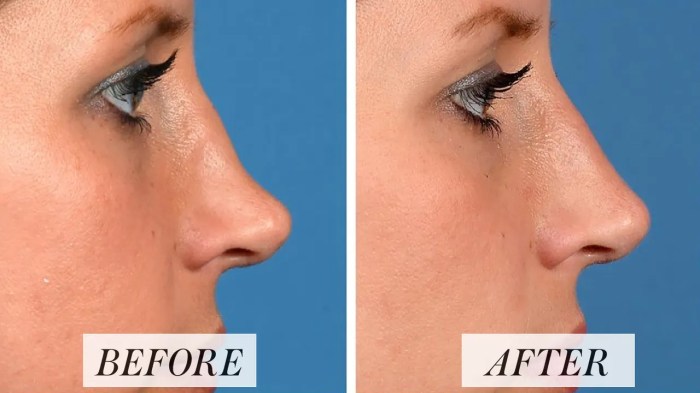
In conclusion, the non surgical nose job presents a compelling avenue for those seeking subtle yet impactful nasal enhancements. While offering a less invasive path to improved aesthetics, understanding the nuances of the procedure, from candidate suitability to potential risks and aftercare, is paramount. By carefully considering the factors discussed, individuals can make well-informed decisions, setting the stage for a positive and satisfying experience. Ultimately, this guide aims to empower individuals with the knowledge to navigate the non-surgical nose reshaping landscape, achieving desired aesthetic outcomes safely and effectively.
